
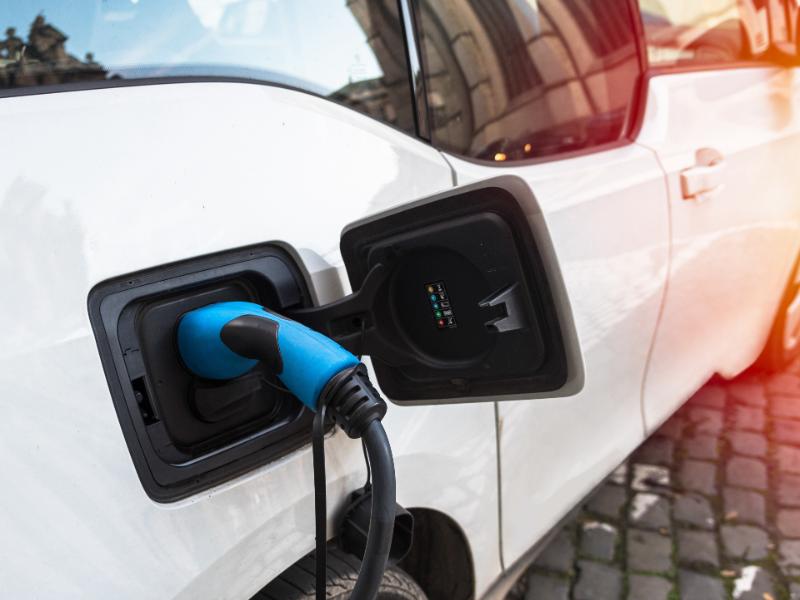
Getting an EV charging installation in your home or place of business takes more than just putting in a new outlet. Fortunately, the best electrician serving Metro Detroit can help.
Your electrician will inspect your electrical grid and let you know what you need to accommodate an electric vehicle charger. It’s usually one or more of these things:
- Heavy-Duty Power Check: Performing a thorough audit to see if your panel is ready to handle the extra load safely.
- Dedicated Line: Installing a dedicated circuit that runs directly from your main breaker to your charger to prevent tripping your breakers when you charge your vehicle.
- Thermal Defense Wiring: Using high-grade, heat-resistant copper wiring that won’t melt during use.
- Load Balance: Installing a smart system that automatically slows the charger down when your building needs power somewhere else.
At Rock Electrical, we fully prepare your grid before your EV charger ever touches the wall. To learn more, call us at (248) 620-6555 or visit our Clarkston, Michigan, location!
What a Professional EV Charging Installation Looks Like
Getting an EV charging installation for your home or business is more than some simple plug-and-play” upgrade. It places demands on your electrical infrastructure.
Most buildings aren’t able to handle the demands of high-amperage power running for eight hours at a time. This runs a risk of tripped breakers and melted wires.
When a professional electrician installs your EV charging station, here’s what you can expect:
1. Electrical Panel Audit
The most common mistake some people make is assuming their current electrical panel can handle a Level 2 charger.
Most EV chargers pull 40 to 50 amps; that’s nearly half the capacity of an older home’s entire grid.
Your electrician inspects your existing panel and its existing loads. They’ll install a heavy-duty panel upgrade to make sure your home or facility doesn’t suffer a system failure.
2. Dedicated Circuit Infrastructure
You cannot connect an EV charger to a circuit that shares your garage lights or a deep freezer. That is a failure waiting to happen.
A professional EV charger installation requires a dedicated line with a heavy-gauge copper cable running directly from the panel to the charging unit.
This keeps your charger from interfering with the infrastructure of your home or business.
3. Properly Gauged Wiring
An EV charger usually operates at maximum output for hours. This produces heat, which puts demands on your system’s wiring.
DIYers might use undersized or low-grade wiring that isn’t rated for high-amperage loads. This can cause the insulation to melt and wires to ignite, possibly leading to a house fire.
A qualified electrician installs specialized, heat-resistant wiring that’s able to handle high-performance delivery without a thermal overload.
4. Load Management System
In cases involving businesses with multiple vehicles, the grid cannot handle all this at once.
The best local electrician provides smart “load management” solutions. These systems automatically communicate with your chargers to adjust power delivery based on electricity usage in the rest of your building.
This solution keeps your grid balanced, so you won’t have to deal with unexpectedly expensive power bills or a blown main transformer.
Choose Rock Electrical for Your EV Charger Installation
Do you want a properly installed EV charger in your home or business? You deserve more than a quick, DIY hookup.
At Rock Electrical, our licensed electricians provide a professional EV charging installation. We take these expert steps to make sure your charger operates more safely and efficiently:
- The safety of a panel audit and proper wiring to eliminate risks.
- The integrity of a dedicated line to help protect your infrastructure from interference and power loss.
- Adding load management to keep your power bills stable.
Are you ready to have fully charged electric vehicles ready to roll out of your driveway? We can help; just call us at (248) 620-6555, contact us online, or visit us in Clarkston, Michigan.